Who is Behind the Glass
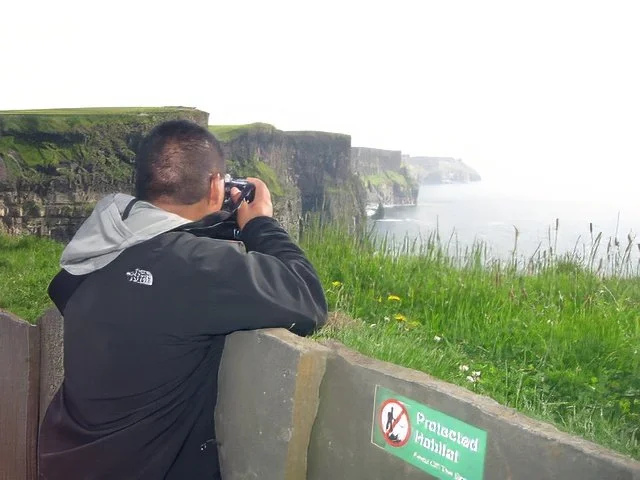
I've traveled the world. I've lived in the mountains and plains of Montana, and now on the northeastern plains of Wyoming. The Dakotas are close enough to feel like home. The wide skies, the long silences, the way a landscape can hold a whole season of memory in a single frame of light. When I pick up a camera, I’m not looking for new subjects. I’m learning to look more carefully at the ones that have always been right in front of me. I’m imagining the stories that took place here.
The name Through Weathered Glass is literal before it's anything else. There's a kind of glass I keep coming back to — older, less perfect, with a softness at the edges and a rendering of light that feels less clinical and more felt. It's a small act of stubbornness, choosing imperfection on purpose. I could just as easily have called this Through Weathered Eyes — because I'm not seeing these places with the wide-open wonder of someone encountering them for the first time. I'm a middle-aged man who has lived alongside these landscapes long enough that what I see is filtered through experience, through history, through time. The glass and the eyes work the same way. Both are better for what they've been through.
What I'm really photographing is memory in landscape form. The way a certain hillside in Montana looks exactly as it did when I was twelve. The quality of late-afternoon light over the Badlands that doesn't care what year it is. I'm not chasing the dramatic or the exotic — I'm after something quieter than that. The sense of a place that has been lived in, returned to, and recognized. These landscapes meant something before I photographed them and will do so long after I’m gone.
Where the Thinking Lives
If what you've read here resonates — if you're drawn to the slow practice of paying attention, to the craft of returning to the same landscape, to acknowledging the story of a place, not only what was but what might have been — there's a Substack where I work all of that out in longer form. The thinking behind the images. The places they were made. The quiet questions a camera keeps asking when you stop rushing past.
No algorithm. No schedule. Just writing when I have something worth saying.